
Why Many Retrofit Projects Start Too Late: And Why Functioning Infrastructure Can Still Become a Risk

Many companies know that their existing logistics sites will eventually require modernization. At the same time, day-to-day operations rarely provide a clearly defined moment when modernization suddenly appears urgent. Processes continue running reliably for years, technical limitations initially remain manageable, and necessary adjustments are repeatedly solved pragmatically within the existing infrastructure. As a result, it is easy to assume that larger changes are not yet necessary.
When Existing Infrastructure Starts Limiting Growth: Six signs that logistics sites are reaching their scalability limits

Many logistics sites operate reliably for years. Material flows remain stable, established processes are well coordinated, and even older systems often continue to deliver strong performance levels. At the same time, however, the requirements placed on modern logistics environments are changing much faster than they did only a few years ago. Processes must become more flexible, additional automation needs to be integrated, and system landscapes are expected to respond far more dynamically to change.
Retrofit During Live Operations: The Steps Successful Modernization Projects Actually Go Through
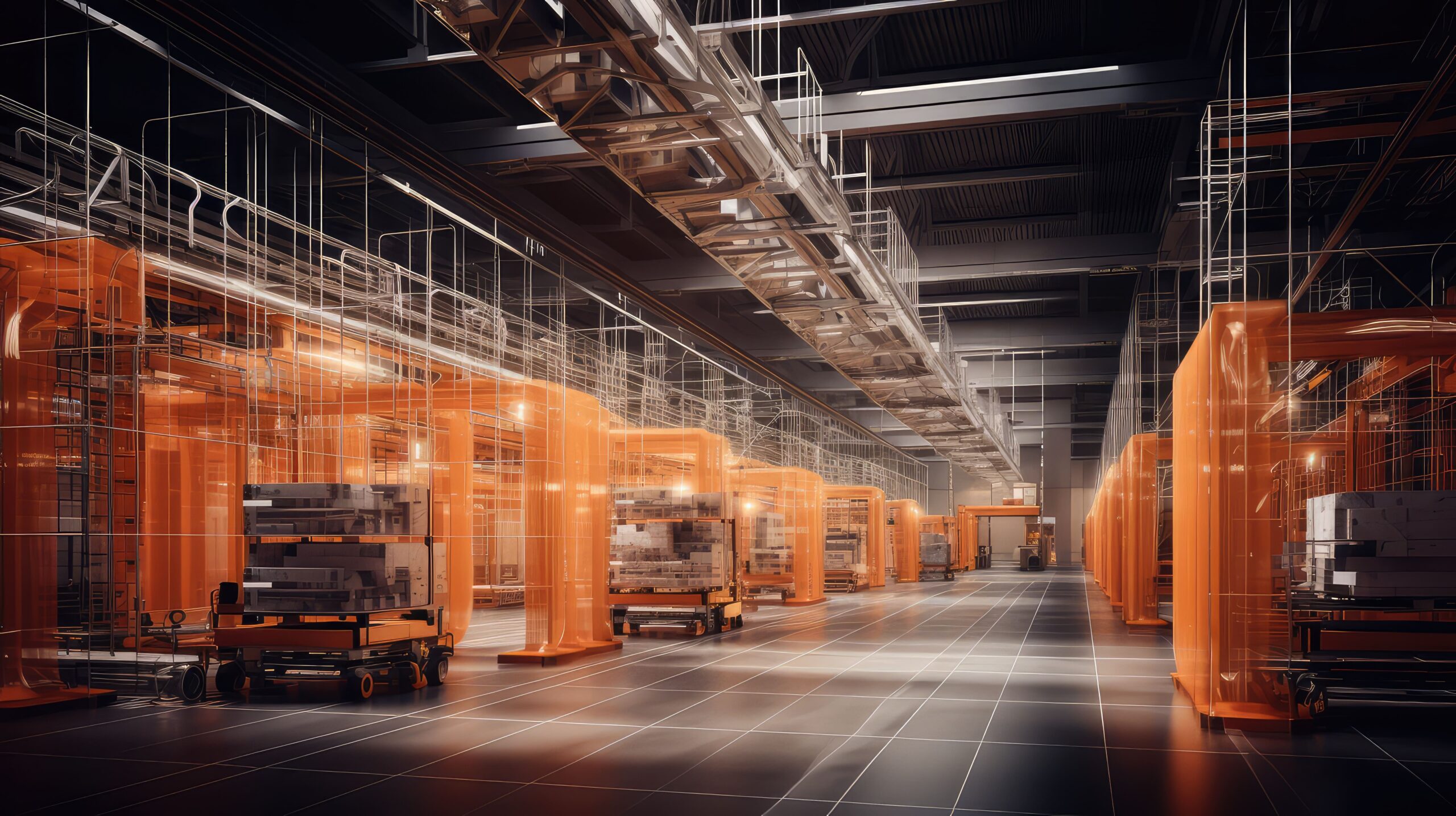
Many companies face the same challenge: existing logistics sites need to be modernized while ongoing operations must remain as stable as possible. Material flows need to continue uninterrupted, service levels cannot be compromised, and extended downtime is often operationally unrealistic.
When Small Changes Suddenly Become a Risk: Four Warning Signs That Controls, Interfaces, and Software Are Becoming the Bottleneck

At many logistics sites, the mechanical infrastructure continues to operate reliably even after years of use. Conveyor systems run steadily, storage and retrieval machines operate precisely, and material flows remain stable in day-to-day operations. At the same time, however, many companies are increasingly running into limitations, even though the actual equipment still appears technically capable. In many cases, the reason no longer lies in the mechanics themselves.
Modernize Instead of Replace? Five Signs That Retrofit May Make Economic Sense
Many companies are currently facing a similar situation: existing logistics sites continue to operate reliably, while at the same time the demands for flexibility, transparency, and integration capabilities are increasing significantly. New processes must be implemented faster, additional automation technologies integrated, and existing systems connected more closely. At the same time, long-established infrastructure is increasingly reaching its limits.
Retrofit in Logistics: Why Existing Infrastructure Must Be Reassessed

For many years, evaluating logistics infrastructure was relatively straightforward. As long as conveyor systems, warehouse technology, and material flows operated reliably, many companies saw little immediate need for action. Investments therefore focused primarily on additional capacity, new automation technologies, or the expansion of further sites. Existing systems, by contrast, were often kept in operation for as long as possible, especially when the mechanical foundation continued to perform reliably.
Avoiding the Big Bang, Preventing Standstill: Planning Retrofit Strategically
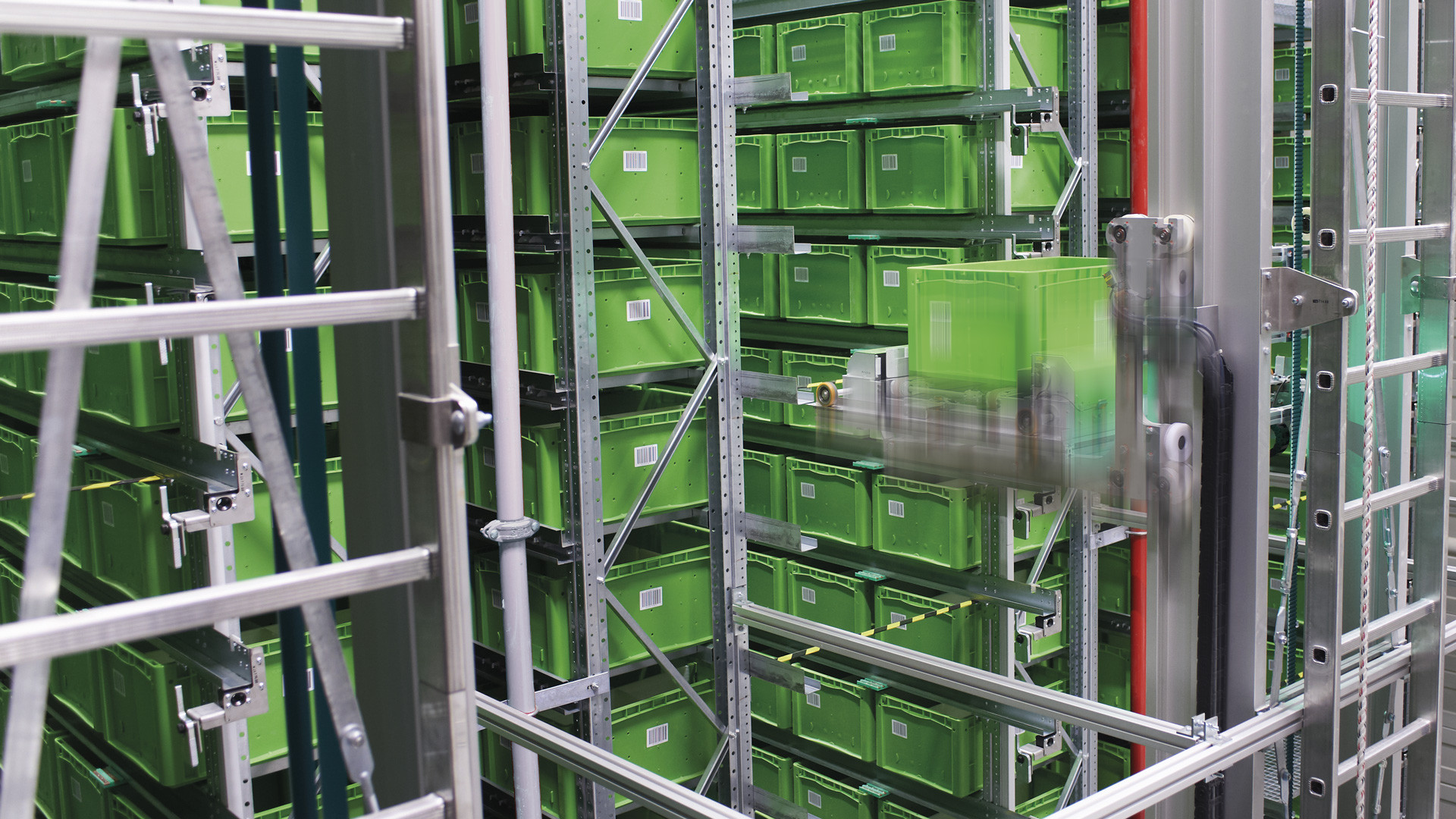
Many automated warehouses reach a point after years or even decades where technical limits become impossible to ignore. Control systems are discontinued, spare parts become difficult to source, and material flow computers originate from system environments that are increasingly difficult to align with today’s requirements. At the same time, expectations around availability, safety, and flexibility continue to rise. Processes that have evolved over many years often carry additional complexity that is not immediately visible in day-to-day operations.