
AI as a New Control Instrument: From Reactive Planning to Adaptive Control
In many logistics organizations, operations are still primarily driven by planning followed by reaction. Forecasts, shift models, capacity assumptions, and route plans define the framework within which day-to-day operations take place. When reality diverges from the plan, dispatching and operational management step in to make corrections.
People, Machines, and Responsibility: AI Governance in Logistics
When AI projects fail in logistics, it is rarely due to the technology itself. Models work, algorithms deliver plausible results, pilot applications demonstrate potential. And yet the expected benefits fail to materialize. In practice, one pattern appears again and again: the problem is not a lack of computing power or insufficient models, but unclear foundations.
AI Consulting: AI Readiness in the Supply Chain

When AI projects fail in logistics, it is rarely due to the technology itself. Models work, algorithms deliver plausible results, pilot applications demonstrate potential. And yet the expected benefits fail to materialize. In practice, one pattern appears again and again: the problem is not a lack of computing power or insufficient models, but unclear foundations.
AI Consulting: First structure, then AI
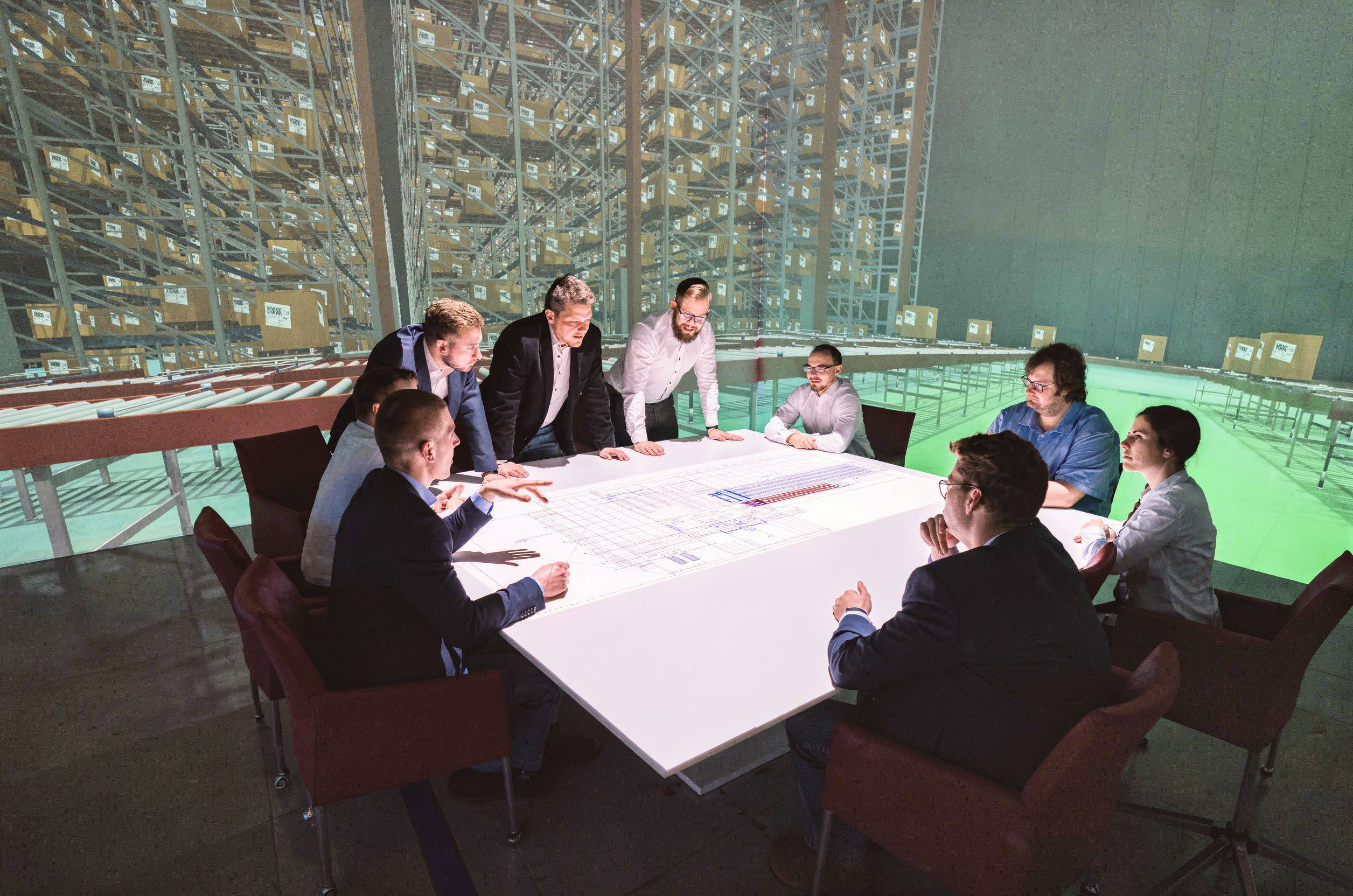
When AI projects fail in logistics, it is rarely due to the technology itself. Models work, algorithms deliver plausible results, pilot applications demonstrate potential. And yet the expected benefits fail to materialize. In practice, one pattern appears again and again: the problem is not a lack of computing power or insufficient models, but unclear foundations.