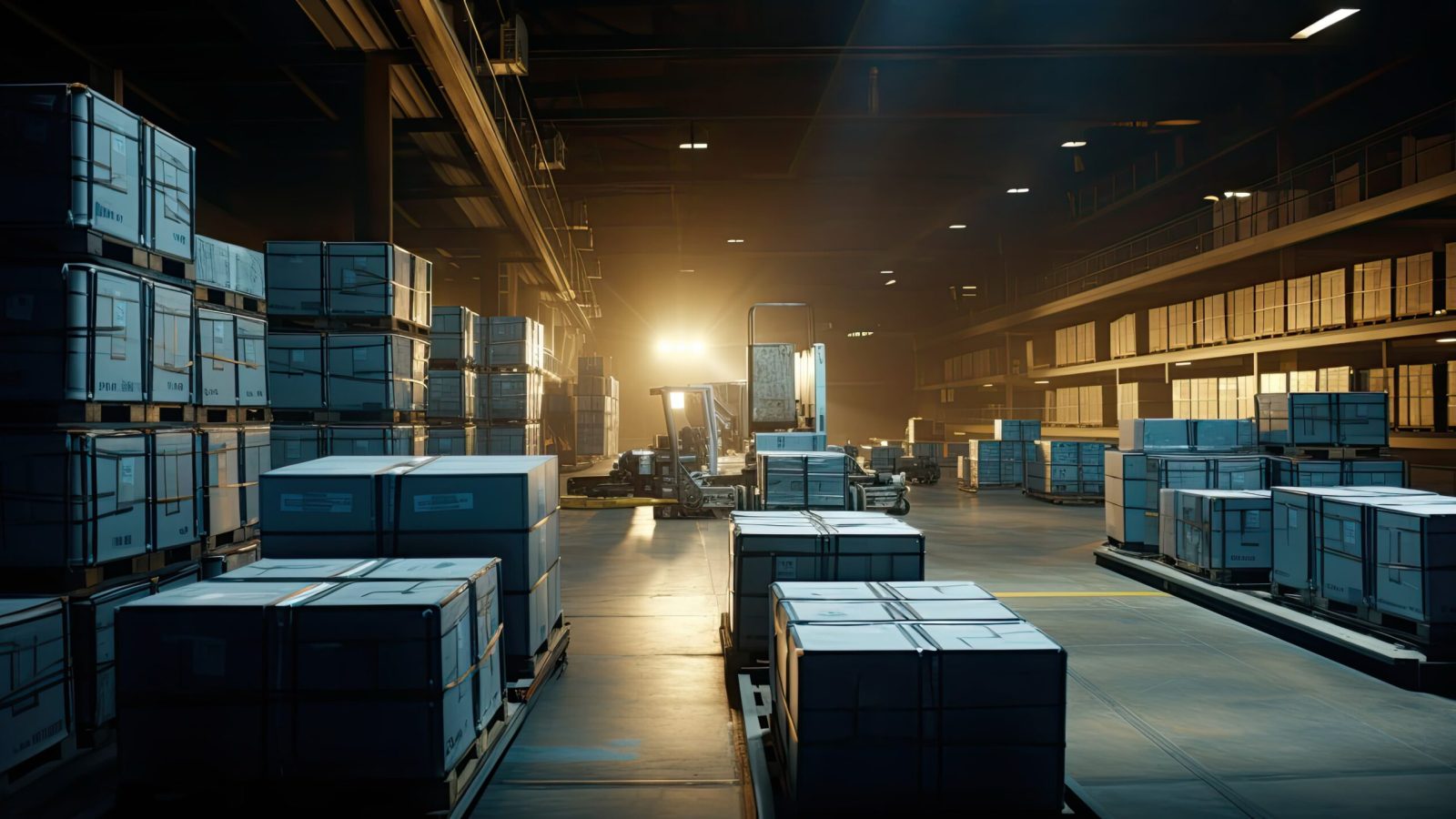
Many companies face the same challenge: existing logistics sites need to be modernized while ongoing operations must remain as stable as possible. Material flows need to continue uninterrupted, service levels cannot be compromised, and extended downtime is often operationally unrealistic.
This is precisely why retrofit projects differ fundamentally from classic greenfield projects. In practice, modernization rarely happens in isolation. Existing processes continue running, different systems remain interconnected, and changes often directly affect operational workflows. As a result, retrofit projects typically develop under far more complex conditions than initially expected.
Consulting projects repeatedly show that successful modernization depends less on individual technologies than on a structured implementation approach. Especially in long-established logistics environments, project success is often determined not by the technical solution alone, but by how controlled and manageable the integration of change remains within ongoing operations.
Many companies initially underestimate how strongly retrofit projects are shaped by organizational and process-related factors. Even relatively small technical adjustments often directly affect material flows, picking operations, replenishment processes, shipping, or inventory management. The more interconnected operational processes become, the more critical the coordination of modernization activities becomes. That is why it is worth understanding the typical phases successful retrofit projects go through.
- Make Existing Dependencies Visible
Many retrofit projects initially begin with a concrete technical question. Control systems need modernization, interfaces must be expanded, or existing software environments require replacement. In practice, however, the real challenge often begins much earlier: gaining transparency over existing process and system dependencies.
In long-established logistics environments, processes have typically evolved gradually over many years. New operational requirements were added, additional systems integrated, and custom logic introduced incrementally. Much of this continues functioning reliably in daily operations. At the same time, however, complexity within the overall system landscape often grows continuously in the background.
Companies eventually discover that even small modifications create unexpected consequences. Adjustments in one area suddenly affect other processes, interfaces respond sensitively to changes, or existing dependencies become increasingly difficult to trace. Successful retrofit projects therefore usually begin with a structured assessment of the current environment. This assessment goes beyond technical components alone and focuses heavily on process dependencies, system logic, and operational interactions. Only once critical areas and major risk factors become transparent can modernization be planned effectively.
- Prioritize Critical Process Areas
Not all parts of existing infrastructure carry the same operational relevance. At the same time, many companies initially attempt to modernize as many areas as possible in parallel. This often creates unnecessary operational risks within live environments.
In practice, successful retrofit projects therefore prioritize the most critical operational areas first. Particularly relevant are systems with high downtime impact, control layers with limited spare part availability, or processes where modifications currently require excessive manual effort. Interfaces also play a major role here. Especially where different systems have been interconnected over many years, high integration effort and operational risks frequently emerge. At the same time, many of these structures have evolved gradually without their growing complexity becoming fully visible.
The core challenge therefore often lies less in individual technical components and more in the interaction across the overall system landscape. This prioritization frequently determines whether modernization can be implemented in a controlled manner or whether operational instability develops.
- Break Modernization Into Manageable Steps
Many retrofit projects fail not because of technology itself, but because implementation becomes too complex. Companies often try to execute as many changes as possible simultaneously in order to shorten project durations or reduce operational disruption. In practice, however, this approach regularly increases risk significantly.
Successful retrofit strategies therefore divide modernization into smaller, manageable implementation phases. Individual control layers are modernized step by step, interfaces are systematically simplified, and processes are migrated in a controlled way. This creates far better opportunities to identify the impact of individual changes early and control risks within ongoing operations more effectively.
In highly utilized logistics environments, this approach creates a major advantage. Companies gain greater implementation flexibility and can align modernization efforts much more closely with real operational requirements. This becomes particularly important where operations cannot be interrupted while availability requirements remain extremely high.
- Plan Testing and Transition Phases Realistically
One of the most critical aspects of many retrofit projects lies within the actual transition phase. Modernization can only be simulated to a limited extent within active logistics operations. Many companies underestimate how significantly real operational dynamics differ from theoretical test environments.
Interfaces behave differently under operational load, process chains become more sensitive to delays, and parallel operations create additional complexity within the overall system landscape. For this reason, retrofit projects require realistic testing and transition strategies. Companies must evaluate early which processes need to be tested under real operating conditions, which risks emerge during parallel operation, and which fallback procedures remain available in case of failure. Consulting projects repeatedly show that the greatest challenge is often not the technical cutover itself, but the stabilization of new structures during live operations. The earlier this transition phase is planned realistically, the more controllable the entire modernization effort remains.
- Secure Operational Stabilization After Go-Live
Many companies consider retrofit projects complete once the new solution is operational. In practice, however, the actual stabilization phase often begins afterward. New process logic must prove itself under real operational conditions, employees adapt to changed workflows, and technical interactions frequently only become fully visible under real system load. Especially in complex logistics environments, additional optimization cycles therefore often emerge after the actual implementation.
Successful retrofit projects deliberately account for this phase during planning. Monitoring critical processes, establishing fast escalation paths, and maintaining close coordination between operations, engineering, and project management help ensure that issues are identified early and resolved in a controlled manner. This phase often determines whether new structures become sustainably integrated or whether additional operational complexity develops over time.
Why Retrofit Projects Are Often Decided Organizationally
Many companies initially view retrofit primarily as a technical initiative. In practice, however, successful modernization depends much more heavily on transparency, project governance, and organizational coordination.
Existing logistics operations cannot be modernized in isolation. Changes within one area almost always affect adjacent processes, systems, and operational workflows. As a result, retrofit projects increasingly evolve into organization-wide transformation initiatives. The real challenge is therefore often not introducing new technology itself, but implementing change in a controlled way within existing operational structures.
Conclusion: Successful Retrofit Depends on Controlled Execution
Modernization during live operations is one of the most demanding tasks within logistics infrastructure projects. Successful retrofit projects rarely succeed through isolated technical measures alone, but through structured and controllable implementation strategies.
The decisive factor is the ability to create transparency over existing dependencies, prioritize critical areas effectively, and integrate change step by step within active operational environments. These are the factors that ultimately determine whether modernization improves operational stability or creates additional complexity.
The Next Step: Prepare Retrofit Projects Structurally
Many companies already know that their infrastructure requires modernization but lack a clear implementation framework for the actual execution phase. A structured analysis of process dependencies, system risks, and operational requirements creates transparency early and helps reduce risk within live operating environments.
If you would like to evaluate how retrofit can be implemented within your existing logistics processes in a controlled and economically viable way, speak with us.
EPG Consulting supports companies in preparing retrofit projects systematically and integrating modernization efforts into existing operational environments in a stable and sustainable way.